Is It Safe to Keep Running During Pregnancy? Here's What the Guidelines Actually Say
Quick Answer: For most healthy women with an uncomplicated pregnancy who were already runners, continuing to run at a moderate, listen-to-your-body intensity is considered safe through most of pregnancy by major medical guidelines — with adjustments as balance and joint laxity change later on. Starting running for the first time during pregnancy is generally discouraged in favor of lower-impact starting points.
Running during pregnancy sits in a confusing middle ground between outdated ‘don’t exercise’ advice and overcorrected ‘do anything you want’ messaging. Here’s what current guidance actually says, stage by stage.

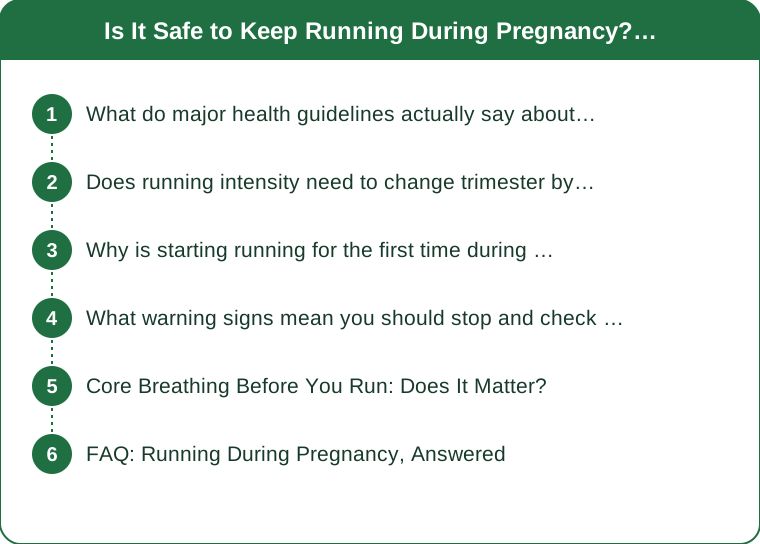
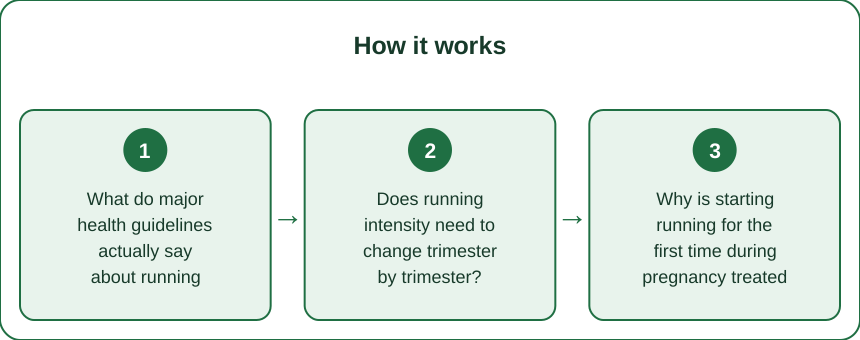
What do major health guidelines actually say about running while pregnant?
Both ACOG (American College of Obstetricians and Gynecologists) and most international guidelines state that continuing an existing running habit is generally safe for uncomplicated pregnancies, provided intensity is moderated and the woman listens to warning signs like dizziness, pain, or bleeding. The consistent theme across guidelines: continuing an established habit is different advice from starting a new one during pregnancy.
Does running intensity need to change trimester by trimester?
Generally yes, though it’s more about listening to changing signals than a fixed rule. First trimester often allows near-normal training for those who feel well. Second trimester frequently requires slowing pace as balance and center of gravity shift. Third trimester commonly means further reducing intensity and distance, with many runners switching to run-walk or walking only as joint laxity (from relaxin hormone) increases fall and strain risk.
Why is starting running for the first time during pregnancy treated differently?
Because the cardiovascular and musculoskeletal adaptation that makes running comfortable takes months to build, and pregnancy isn’t the ideal window to build that base from zero — joint laxity and shifting balance make new high-impact activity riskier for someone without an established running pattern. Guidelines generally suggest starting with walking, swimming, or stationary cycling instead if running wasn’t already a habit.

What warning signs mean you should stop and check with a provider?
Dizziness, chest pain, calf pain or swelling, regular contractions, fluid leakage, or vaginal bleeding during or after a run are all signals to stop and contact your provider promptly — these are consistent red flags across virtually every pregnancy exercise guideline, regardless of trimester or fitness level.
Core Breathing Before You Run: Does It Matter?
Increasingly, yes — many prenatal fitness specialists now recommend a brief diaphragmatic breathing and gentle core activation check before a run, since intra-abdominal pressure management becomes more relevant as pregnancy progresses. This isn’t about intense core work; it’s a low-effort habit that some practitioners believe supports pelvic floor and core function during higher-impact movement, though the direct research specifically on this pre-run habit for runners is still limited.
FAQ: Running During Pregnancy, Answered
Should you wear a belly support band while running pregnant?
Many runners find one helpful for comfort in the second and third trimesters, though it’s a comfort choice rather than a medical requirement in most cases.
Is it normal for running pace to slow down a lot during pregnancy?
Yes — increased blood volume, weight change, and altered biomechanics commonly slow pace, and this is expected, not a sign something is wrong.
When should you stop running entirely during pregnancy?
This varies by individual and should be a conversation with your provider, factoring in how the pregnancy is progressing, any complications, and how your body specifically responds session to session.
TL;DR:
- Continuing an existing running habit is generally considered safe for uncomplicated pregnancies
- Starting running fresh during pregnancy is generally discouraged; lower-impact options are preferred
- Intensity typically decreases through the trimesters as balance and joint laxity shift
- Stop and call your provider for dizziness, pain, bleeding, or fluid leakage
This is general information, not medical advice — always confirm your specific exercise plan with your OB or midwife, since every pregnancy carries its own considerations.
See It in Motion
Seen here: Maternity Capris with Side Pockets — shop it on bubblelime.com
Keep Reading
This article is for general informational purposes only and is not medical advice. It is not a substitute for professional diagnosis or treatment. Always consult a qualified healthcare provider about your individual situation, especially before making significant changes to your diet or exercise routine.