The Postpartum Core Check Most Women Never Learn to Do Themselves
Most women leave their postpartum checkup with plenty of advice about sleep and feeding but almost nothing about their own core, even though a simple self-check can reveal information that should directly shape how they return to exercise.

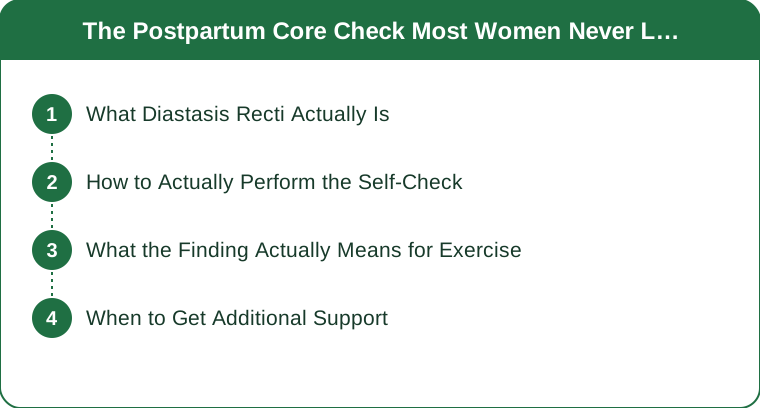
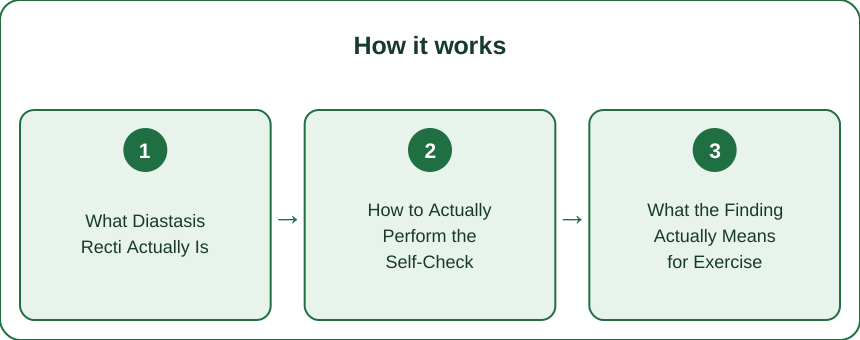
What Diastasis Recti Actually Is
The basics: the the-linea-alba-stretching (diastasis recti referring to a stretching and thinning of the connective tissue, the linea alba, that runs down the midline between the two sides of the abdominal muscles, a near-universal and expected result of a growing pregnancy), the the-not-a-tear-clarification (the condition being a stretch and separation rather than a tear or injury, which changes how it should realistically be approached), the the-common-not-rare-reality (some degree of diastasis being present in the vast majority of women immediately postpartum, meaning finding a gap during a self-check is expected, not alarming on its own)).
How to Actually Perform the Self-Check
The technique: the the-lying-position-setup (performing the check lying on the back with knees bent and feet flat, which allows the abdominal muscles to relax enough for an accurate feel), the the-finger-width-measurement (gently pressing fingers into the midline a few inches above and below the belly button while slightly lifting the head, measuring the gap in finger-widths rather than exact inches), the the-depth-assessment-alongside-width (noting not just how wide the gap feels but how deep or firm the connective tissue feels at the bottom of it, since depth and tension matter as much as width for function).

What the Finding Actually Means for Exercise
The practical implications: the the-width-alone-isnt-the-full-picture (a wider gap doesn’t automatically mean more dysfunction, and a narrower gap doesn’t guarantee everything is functioning well, since tension and depth matter alongside width), the the-avoid-crunching-movements-initially (movements that create noticeable doming or bulging along the midline, like traditional crunches, generally being worth avoiding until the connective tissue has had more time and the right exercises to reconnect), the the-progressive-safe-exercise-path (specific core reconnection exercises, often starting with deep breathing and gentle pelvic floor engagement, building the foundation before progressing to more demanding core work).
When to Get Additional Support
The escalation point: the the-persistent-gap-beyond-expected-timeline (a gap that remains wide and unchanged well beyond the typical months-long postpartum recovery window being worth discussing with a pelvic floor physical therapist), the the-doming-during-daily-activity (visible doming during regular daily movements, not just intentional exercise, being a signal worth getting professionally assessed), and the frame (a simple at-home diastasis check gives real, actionable information about a near-universal postpartum change — the finding should guide exercise choices gently rather than cause alarm, and persistent or functional concerns are worth a physical therapist’s assessment.)
A basic postpartum core self-check, done lying on the back with knees bent, gently pressing fingers into the midline above and below the belly button while lifting the head slightly, gives real information that most postpartum checkups never cover in any detail, even though some degree of diastasis recti, a stretching of the connective tissue between the two sides of the abdominal muscles, is close to universal immediately after pregnancy and is a stretch rather than a tear or injury. The width of the gap alone doesn’t tell the whole story, since how deep and firm the tissue feels at the bottom of that gap matters just as much for actual function, and the general guidance is to avoid movements like traditional crunches that create visible doming along the midline until gentler reconnection work, often starting with breathing and pelvic floor engagement, has laid the groundwork. This is general information, not medical advice, and a gap that stays wide and unchanged well past the typical months-long recovery window, or visible doming during regular daily activity rather than just exercise, is a good reason to see a pelvic floor physical therapist for a proper assessment.
See It in Motion
Seen here: Maternity Capris with Side Pockets — shop it on bubblelime.com
Keep Reading
This article is for general informational purposes only and is not medical advice. It is not a substitute for professional diagnosis or treatment. Always consult a qualified healthcare provider about your individual situation, especially before making significant changes to your diet or exercise routine.