Safe Exercises During Each Trimester of Pregnancy
Quick Answer: Safe pregnancy exercise generally follows your trimester: the first trimester often lets you keep up most of your normal routine with walking, swimming, and light yoga; the second calls for modified movements as your body changes; and the third shifts the focus to gentle movement that prepares you for labor. Always get your healthcare provider’s sign-off before starting or continuing any exercise program during pregnancy.
Your center of gravity has quietly shifted since last month. Your energy comes and goes in waves you can’t quite predict some days. None of that means you have to stop moving — it just means how you move needs to evolve alongside your body.

Is it actually safe to exercise while pregnant?
For most healthy pregnancies, yes — staying active offers real benefits for both you and your baby throughout all nine months. Movement can help manage common pregnancy discomforts, support healthy energy levels, and keep your body prepared for the physical demands of labor and recovery.
That said, “safe” always depends on your individual pregnancy, and this article isn’t a substitute for medical guidance. Every pregnancy carries its own considerations, so what’s right for one person may need adjusting for another.
What can you do in the first trimester?
Early on, many people can largely maintain their pre-pregnancy fitness routine with a few sensible adjustments. Walking, swimming, and light yoga are all gentle, low-risk ways to stay active while your body starts adapting to major hormonal changes behind the scenes.
This is also a good window to build habits that will carry you through the rest of pregnancy — a manageable walking routine, a swim schedule, or a beginner-friendly yoga flow you can return to as your body changes over the coming months.
What changes in the second trimester?
This is typically when your body starts visibly changing shape, and your workouts should change with it. Modified movements protect your shifting center of balance as your growing belly changes how weight distributes through your body.
Practically, that might mean:
- Swapping exercises that involve lying flat on your back for extended periods
- Widening your stance in standing exercises for better stability
- Choosing supported versions of balance-challenging moves
- Listening closely for any new discomfort and adjusting immediately
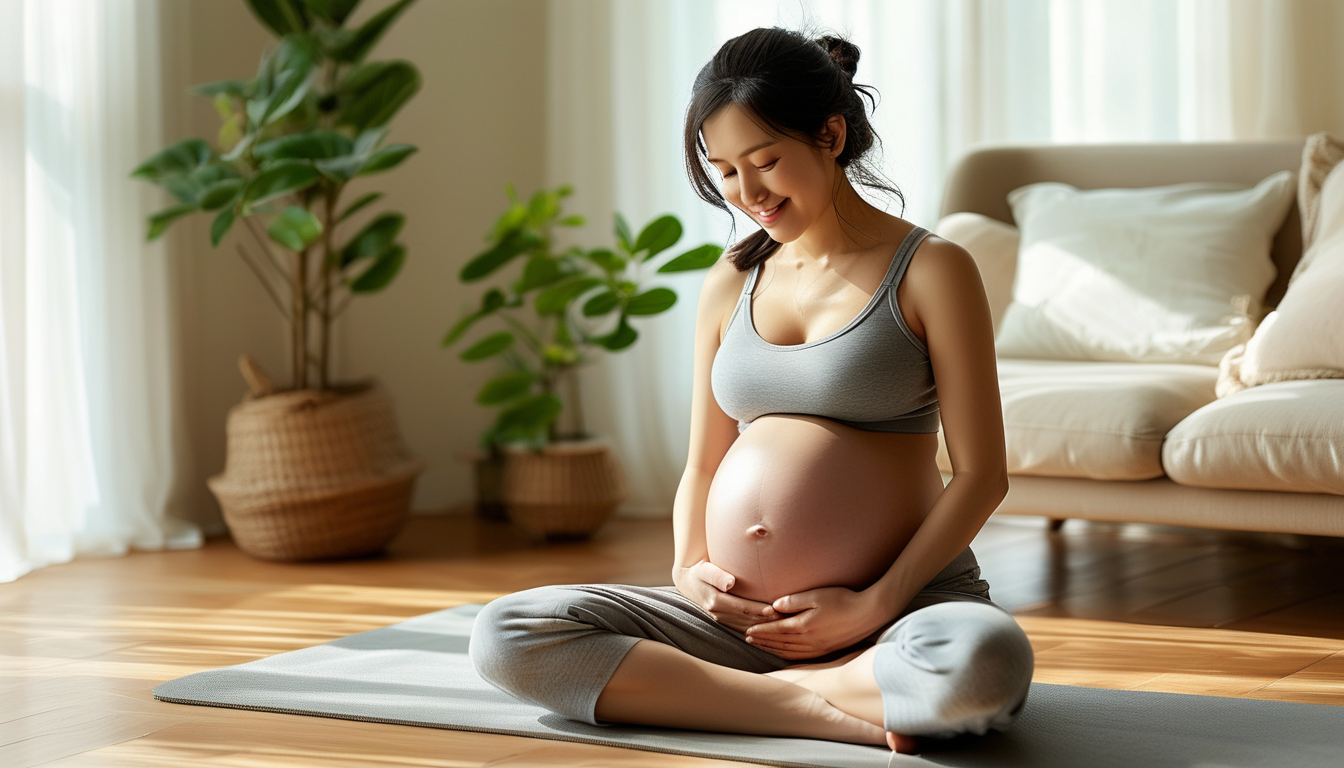
How should your workouts shift in the third trimester?
By the third trimester, the goal isn’t pushing limits — it’s gentle movement and preparation for labor. Walking, prenatal yoga, and pelvic floor-friendly stretching become the priorities, with an emphasis on mobility, breathing, and comfort over intensity.
Many people find this stage benefits from shorter, more frequent movement sessions rather than one long workout, since energy and comfort can shift throughout the day. Trust what your body is telling you here more than any fixed plan.
What warning signs mean you should stop and call your provider?
Knowing when to pause matters just as much as knowing what to do. Stop exercising and check in with your healthcare provider if you notice things like unusual shortness of breath, dizziness, chest pain, contractions, or any fluid leakage during or after activity. When in doubt, always consult your healthcare provider before starting any exercise program — they know your specific pregnancy and can flag anything that needs a different approach.
What Nobody Tells You About Prenatal Exercise
Nobody tells you how much “safe exercise” actually varies week to week, not just trimester to trimester — a workout that felt easy on Monday might feel like too much on Thursday, and that’s completely normal, not a sign you’re doing something wrong. Nobody tells you that rest is also part of the program, not a failure to keep up. And nobody tells you that the goal during pregnancy quietly shifts from performance to maintenance — you’re not training for a personal best, you’re supporting a body doing something remarkable.
It also helps to know that plenty of comfortable, supportive activewear exists specifically designed for a changing shape, which can make staying active feel far less like a compromise.
See It in Motion
Seen here: Maternity Capris with Side Pockets — shop it on bubblelime.com
FAQ: Exercise During Pregnancy
Is it safe to start a new exercise routine if you weren’t active before pregnancy?
It’s often possible, but starting gently and getting clearance from your healthcare provider first is especially important if you weren’t previously active. Low-impact options like walking and swimming are common starting points for beginners.
What types of exercise should generally be avoided during pregnancy?
Activities with a high fall risk, contact sports, and exercises that involve lying flat on your back for long periods later in pregnancy are typically discouraged. Your healthcare provider can give you guidance specific to your situation and any risk factors.
Can exercise help prepare your body for labor?
Many people find that staying active — especially with pelvic floor work, walking, and gentle stretching — supports stamina and comfort heading into labor. It’s not a guarantee of an easier delivery, but it’s generally considered a helpful part of preparation.
TL;DR:
- First trimester: largely maintain your normal routine with walking, swimming, and light yoga.
- Second trimester: shift to modified movements that account for your changing balance.
- Third trimester: prioritize gentle movement and labor preparation over intensity.
- Watch for warning signs like dizziness, shortness of breath, or contractions, and stop immediately if they appear.
- Always consult your healthcare provider before starting or changing any exercise routine during pregnancy.
Keep Reading
This article is for general informational purposes only and is not medical advice. It is not a substitute for professional diagnosis or treatment. Always consult a qualified healthcare provider about your individual situation, especially before making significant changes to your diet or exercise routine.