Why Postpartum Core Work Needs a Completely Different Starting Point
Quick Answer: Postpartum abdominal muscles and connective tissue have been stretched for months and often show some degree of separation (diastasis recti). Starting with crunches can worsen this separation — the real starting point is diaphragmatic breathing and deep core activation, not traditional ab exercises.
Q: Is diastasis recti common, or a sign something went wrong? It’s extremely common — most pregnancies cause some degree of it, and it’s a normal, expected part of the process, not a complication.

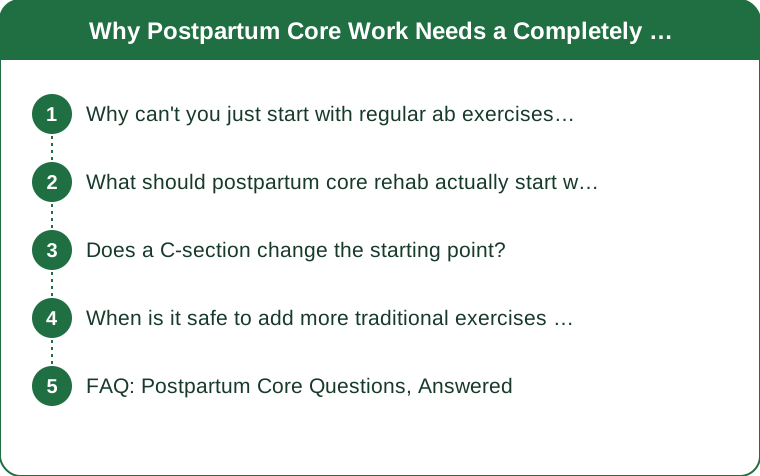
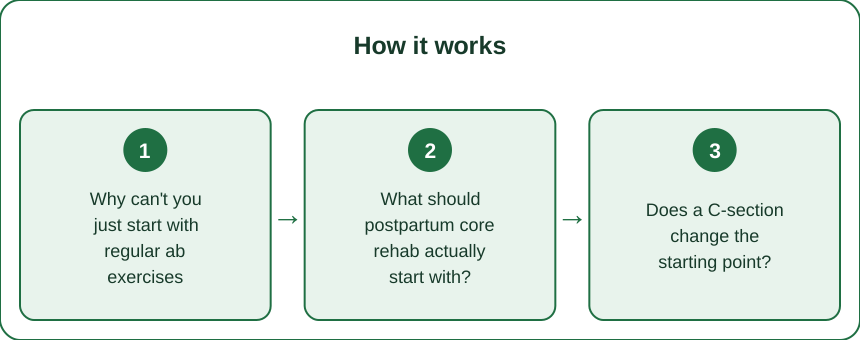
Why can’t you just start with regular ab exercises postpartum?
During pregnancy, the linea alba (connective tissue running down the midline of your abdomen) stretches to accommodate a growing uterus, often creating a gap between the left and right abdominal muscles. Traditional crunches increase pressure directly on this weakened midline tissue, potentially widening the gap rather than healing it — the opposite of the intended effect.
Q: How would I know if I have diastasis recti? A simple self-check (or a check with a postpartum physical therapist) involves lying back, engaging your core slightly, and feeling for a gap or doming along the midline above and below the belly button.
What should postpartum core rehab actually start with?
Diaphragmatic breathing — deep belly breaths that engage the deep core (transverse abdominis) without straining the midline — is the foundational first step, often starting within days of delivery once cleared by a provider. This activates the deepest core layer gently, rebuilding the connection before adding any load.
Q: How long does this foundational phase usually last? Often several weeks, though timelines vary significantly based on delivery type, individual healing, and whether physical therapy is involved.

Does a C-section change the starting point?
Yes — C-section recovery involves healing through multiple tissue layers including abdominal muscle, so timelines are typically more conservative, and clearance to begin any core work should come from your provider, generally not before the standard 6-week postpartum check at the earliest.
Q: Does that mean vaginal delivery has no core-related considerations? No — diastasis recti and pelvic floor changes happen regardless of delivery type, so the gentle-first approach applies broadly.
When is it safe to add more traditional exercises back in?
Only after demonstrating you can engage the deep core without doming or bulging at the midline, which a postpartum physical therapist can assess directly. Progression typically moves from breathing work, to gentle pelvic tilts, to modified planks, before traditional crunches or intense ab work re-enter the routine — often a multi-month process, not weeks.
FAQ: Postpartum Core Questions, Answered
Will diastasis recti heal on its own without exercise?
Some natural closure happens in the first weeks postpartum for many people, but a persistent gap often benefits from targeted, gentle core rehab rather than being left alone indefinitely.
How do I know if my core work is making diastasis worse?
Doming, bulging, or a visible ridge along the midline during an exercise is a sign to stop that movement and return to gentler work — a physical therapist can help correct form.
Should everyone see a pelvic floor or postpartum PT?
It’s increasingly recommended as standard postpartum care in many places, and is particularly valuable if you notice any doming, leaking, or pain — this is general information, not medical advice.
TL;DR:
- Diastasis recti is common and normal, not a complication to panic over
- Traditional crunches too early can widen the gap rather than heal it
- Start with diaphragmatic breathing and deep core activation, not ab exercises
- Progress gradually, ideally with a postpartum PT’s guidance, before returning to traditional core work
This is general information, not medical advice — always get clearance from your provider before starting or progressing postpartum exercise.
See It in Motion
Seen here: Maternity Capris with Side Pockets — shop it on bubblelime.com
Keep Reading
This article is for general informational purposes only and is not medical advice. It is not a substitute for professional diagnosis or treatment. Always consult a qualified healthcare provider about your individual situation, especially before making significant changes to your diet or exercise routine.