When Can You Actually Return to Exercise Postpartum? A Realistic Timeline
Quick Answer: Gentle walking and breathing work can typically begin within the first 1-2 weeks postpartum (once cleared), core and pelvic floor rehab generally starts around weeks 4-6 after medical clearance, and higher-impact exercise like running usually isn’t recommended before 3-6 months — the range depends heavily on delivery type and individual recovery, not a fixed universal date.
The ‘6-week clearance’ most people hear about is a general medical check-in, not a green light to jump straight back into your pre-pregnancy workout routine.

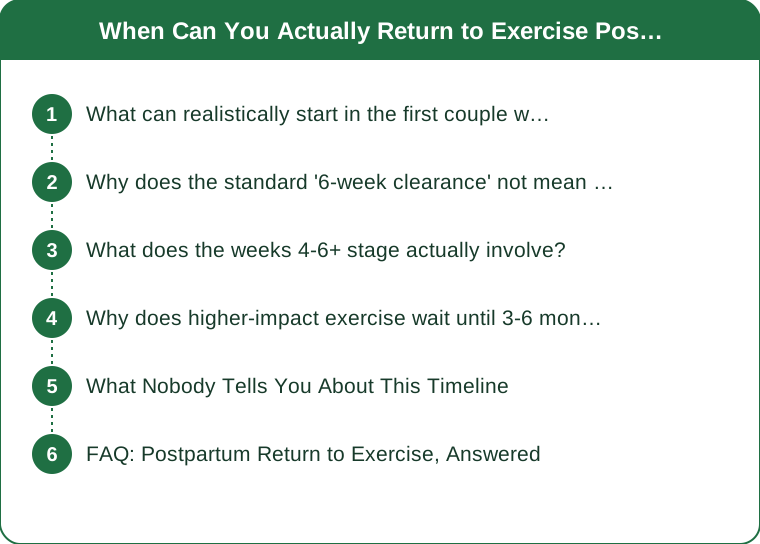
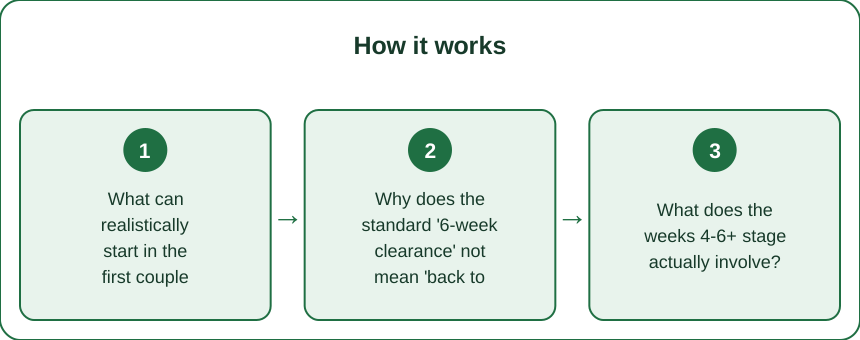
What can realistically start in the first couple weeks?
Gentle walking, diaphragmatic breathing, and pelvic floor awareness work (not strength training yet) are typically appropriate almost immediately after an uncomplicated vaginal delivery, and slightly later after a C-section as the incision heals. This stage is about reconnecting with your body, not building fitness.
Why does the standard ‘6-week clearance’ not mean ‘back to normal workouts’?
The 6-week postpartum check confirms general healing — it isn’t a functional assessment of core strength, pelvic floor control, or readiness for impact. Many people are cleared medically at 6 weeks but still have diastasis recti or pelvic floor weakness that needs specific rehab before higher-intensity training is appropriate.
What does the weeks 4-6+ stage actually involve?
Core and pelvic floor rehabilitation — gentle activation exercises, checking for diastasis recti (abdominal separation), and building foundational strength before progressing. A pelvic floor physical therapist assessment around this time is increasingly recommended, even without specific symptoms.

Why does higher-impact exercise wait until 3-6 months?
Impact activities (running, jumping, HIIT) place repeated loading force on a pelvic floor and core still rebuilding capacity. Returning too early is a common trigger for leaking, pelvic pressure, or diastasis recti not fully closing — the 3-6 month range allows foundational strength work to actually take hold first.
What Nobody Tells You About This Timeline
Breastfeeding and sleep deprivation both genuinely affect recovery pace — hormonal changes from breastfeeding can affect joint laxity, and chronic sleep loss slows tissue repair. A slower timeline in this context isn’t a sign of doing something wrong.
FAQ: Postpartum Return to Exercise, Answered
Does this timeline change for a C-section versus vaginal delivery?
Yes — C-section recovery generally adds extra time before core work begins, given it’s a full abdominal surgery, and impact activity often waits slightly longer.
What are warning signs I’m progressing too fast?
Leaking, pelvic heaviness or pressure, doming along the abdominal midline, or increased bleeding are all signs to scale back and consult a provider.
Is a pelvic floor PT visit necessary even without symptoms?
Increasingly recommended as a proactive check regardless of symptoms, since some pelvic floor issues aren’t noticeable until higher-impact activity is reintroduced.
TL;DR:
- Gentle walking and breathing work can often start within the first couple weeks
- The 6-week clearance confirms general healing, not full functional readiness
- Core and pelvic floor rehab typically begins around weeks 4-6 with guidance
- Higher-impact exercise usually waits until 3-6 months to protect ongoing recovery
This is general information, not medical advice — timelines vary meaningfully by delivery type and individual recovery, and a postpartum-informed provider can personalize this for you.
See It in Motion
Seen here: Maternity Capris with Side Pockets — shop it on bubblelime.com
Keep Reading
This article is for general informational purposes only and is not medical advice. It is not a substitute for professional diagnosis or treatment. Always consult a qualified healthcare provider about your individual situation, especially before making significant changes to your diet or exercise routine.