Why First Trimester Fatigue Often Doesn't Improve With More Sleep (and What Actually Helps)
Quick Answer: First trimester fatigue is largely driven by a sharp rise in progesterone, which has a direct sedative effect independent of how much sleep you’re actually getting — more sleep can help somewhat, but it doesn’t address the underlying hormonal cause the way it does with ordinary sleep-debt tiredness.
Is extreme fatigue normal in the first trimester? Yes — it’s one of the most commonly reported early pregnancy symptoms and typically improves significantly by the second trimester.
More sleep is the obvious fix for tiredness. For first trimester fatigue specifically, it often barely moves the needle — and understanding why changes what actually helps.

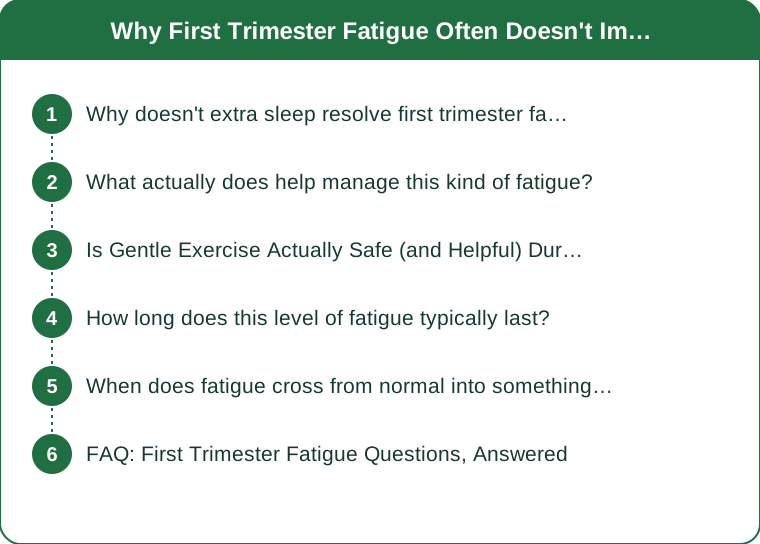
Why doesn’t extra sleep resolve first trimester fatigue the way it usually does?
Progesterone rises sharply in early pregnancy and has a well-documented sedative, calming effect on the nervous system, independent of accumulated sleep debt — this means the fatigue has a hormonal cause that additional hours of sleep don’t directly address.
The body is also directing significant additional energy toward early fetal development and a rapidly expanding blood volume, a metabolic demand that doesn’t ease up regardless of how well-rested you are otherwise.
What actually does help manage this kind of fatigue?
Short daytime rest periods (even 15-20 minutes) rather than relying solely on nighttime sleep quantity tend to help more, since the fatigue pattern doesn’t fully respond to the usual “just sleep more at night” approach.
Consistent, smaller meals with adequate protein and iron help stabilize energy throughout the day, since blood sugar swings and the increased iron demand of early pregnancy can compound the hormonal fatigue.
Is Gentle Exercise Actually Safe (and Helpful) During This Window?
Light to moderate movement — a short walk, gentle stretching — is generally considered safe during the first trimester for most low-risk pregnancies and can modestly improve energy levels, somewhat counterintuitively, despite the fatigue making exercise feel unappealing.
Overexertion should still be avoided, and any new exercise routine during pregnancy is worth discussing with a healthcare provider first, particularly for anyone with pregnancy complications or a previously sedentary lifestyle.

How long does this level of fatigue typically last?
Most people report a significant improvement in energy by the start of the second trimester, roughly weeks 13-14, as progesterone levels stabilize somewhat and the body adjusts to the metabolic demands of early pregnancy.
This timeline varies meaningfully between individuals, and some continue experiencing fatigue into the second trimester, which is generally still considered within a normal range rather than a warning sign on its own.
When does fatigue cross from normal into something worth flagging to a doctor?
Fatigue accompanied by other symptoms — dizziness, shortness of breath, unusually rapid heartbeat — is worth mentioning at a prenatal visit, since it could indicate anemia or another condition worth checking rather than typical first trimester tiredness.
Persistent fatigue that doesn’t improve at all by the second trimester is also reasonable to raise with a provider, simply to rule out other contributing factors.
FAQ: First Trimester Fatigue Questions, Answered
Should I push through fatigue or rest whenever it hits?
Most providers recommend listening to your body during this window rather than pushing through — resting when fatigue hits is generally the better approach in early pregnancy.
Does caffeine help manage the fatigue safely?
Moderate caffeine intake (generally under 200mg daily) is considered acceptable by most guidelines, though it’s worth discussing your specific situation with a provider.
Is it normal for fatigue to hit hardest in the afternoon specifically?
Yes — an afternoon energy crash is a commonly reported pattern, likely related to blood sugar dips compounding the underlying hormonal fatigue.
TL;DR:
- First trimester fatigue is largely hormone-driven, not simply a sleep-debt problem
- Short daytime rest periods and steady, protein-rich meals help more than extra nighttime sleep alone
- Light movement is generally safe and can modestly help energy despite feeling counterintuitive
- Most people see meaningful improvement by the start of the second trimester
It’s not a willpower problem and more sleep alone usually won’t fix it — the fatigue has a real hormonal cause that just needs time and support to ease. This is general information, not medical advice.
See It in Motion
Seen here: Maternity Capris with Side Pockets — shop it on bubblelime.com
Keep Reading
This article is for general informational purposes only and is not medical advice. It is not a substitute for professional diagnosis or treatment. Always consult a qualified healthcare provider about your individual situation, especially before making significant changes to your diet or exercise routine.