Why Postpartum Core Work Needs a Completely Different Starting Point Than Pre-Pregnancy
Quick Answer: Postpartum core recovery should start with breath-connected deep core activation (transverse abdominis engagement) before any crunch or plank-style movement, because pregnancy changes core pressure dynamics and abdominal separation in ways that make traditional ab exercises potentially counterproductive too early.
Your pre-pregnancy core routine isn’t just too advanced right now — it may actively work against the specific recovery your body needs first.
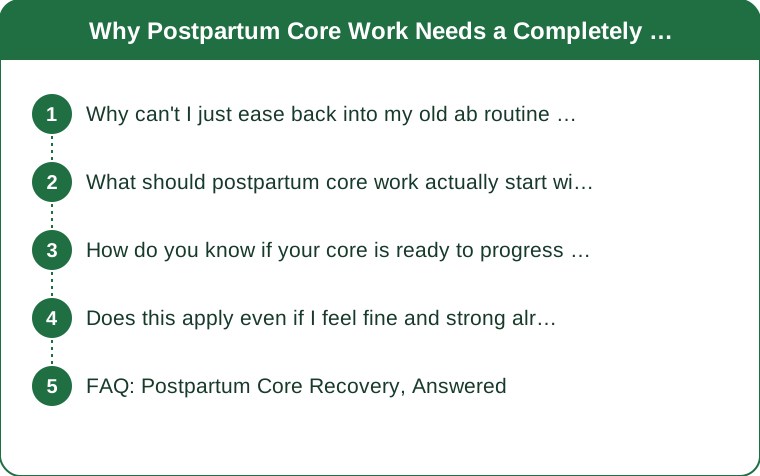
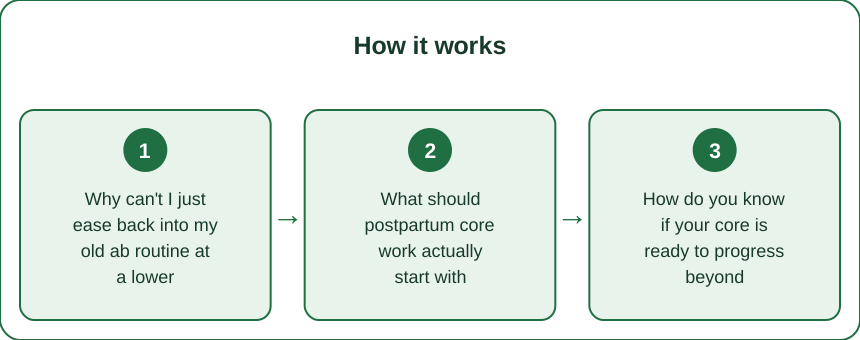
Why can’t I just ease back into my old ab routine at a lower intensity?
Pregnancy commonly causes diastasis recti, a separation of the abdominal muscles along the midline, along with changes to how your core manages internal pressure. Traditional crunches and planks can increase pressure against a still-separated or weakened midline in a way that doesn’t allow it to properly heal, regardless of how gently you scale the intensity.
What should postpartum core work actually start with instead?
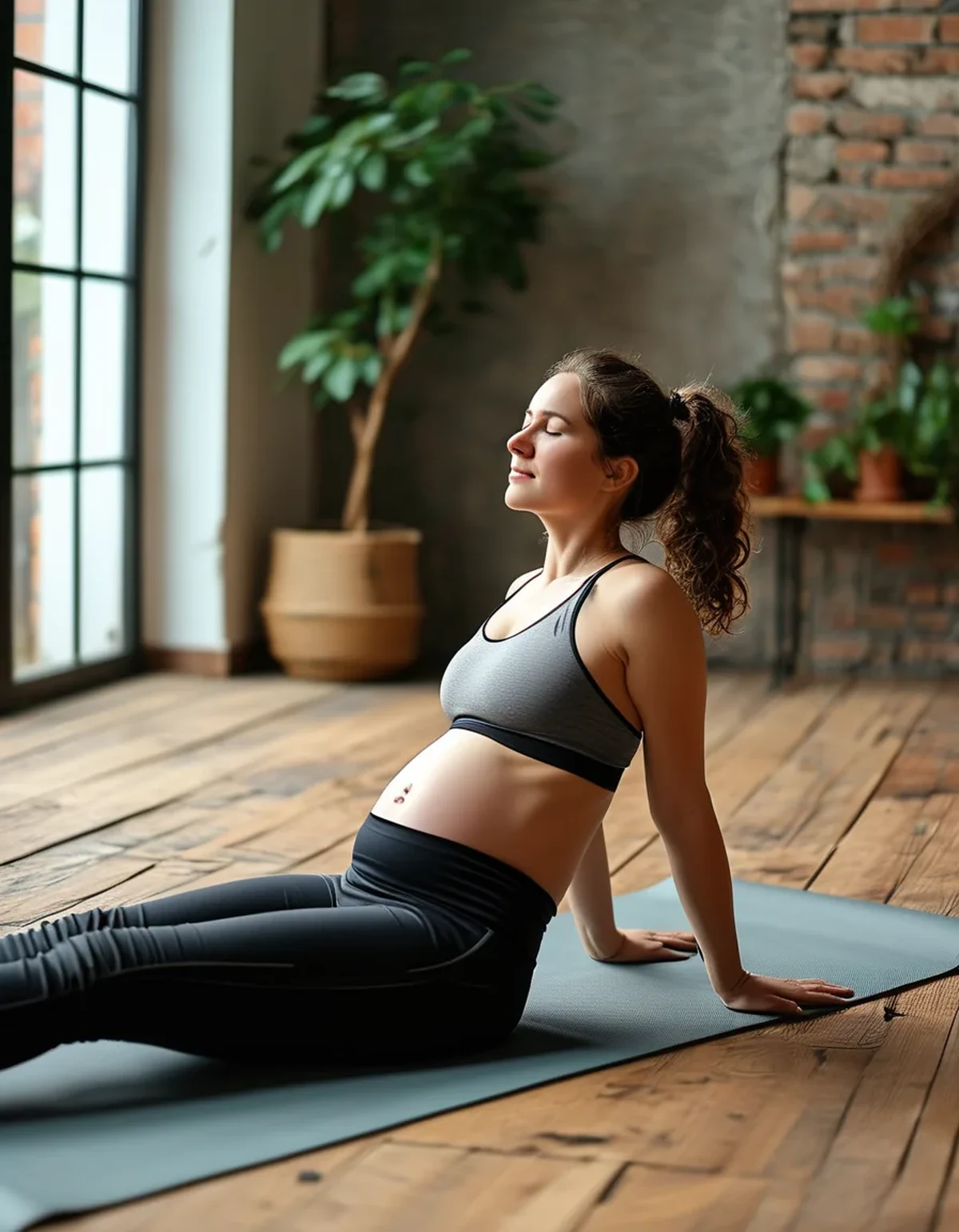
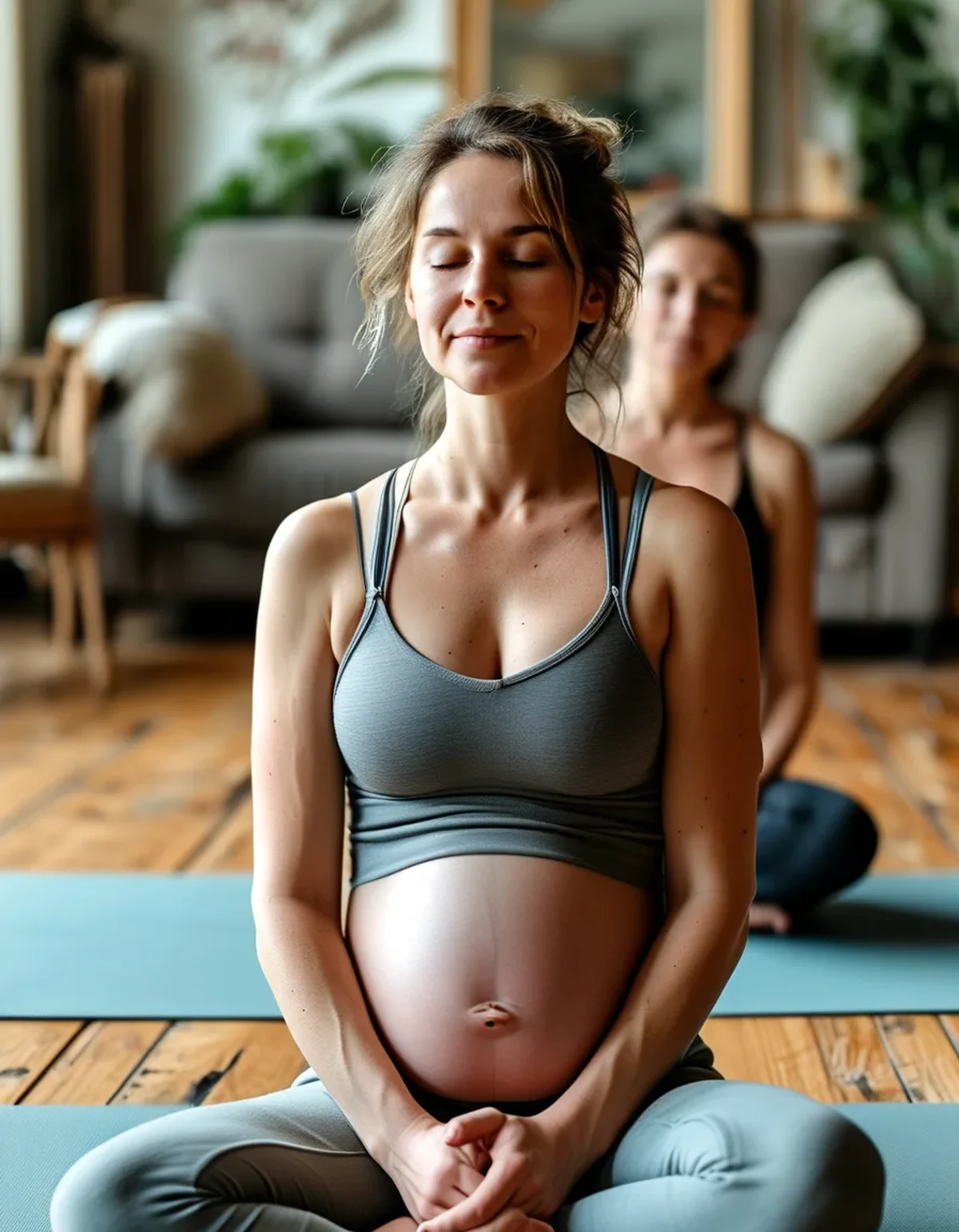
Deep core activation through breath — specifically engaging the transverse abdominis (your deepest core muscle layer) through controlled diaphragmatic breathing — is the recommended starting point, done before reintroducing any traditional ab exercise. This rebuilds foundational core pressure management first.
How do you know if your core is ready to progress beyond breathwork?
Signs of readiness include being able to maintain gentle core engagement during daily movement without doming or bulging at the midline, and generally clearance from a postpartum-specialized physical therapist or provider, who can assess diastasis recti healing directly rather than guessing from time elapsed alone.
Does this apply even if I feel fine and strong already?
Yes — feeling strong doesn’t necessarily mean the deep core and pelvic floor coordination has actually recovered, since diastasis recti and pressure management issues aren’t always outwardly obvious or painful. This is why a specific assessment, not just how you feel, is the more reliable guide.
FAQ: Postpartum Core Recovery, Answered
How long after birth should I wait before starting any core work?
Gentle breath-based work can often start soon after clearance from your provider, while more traditional exercise typically waits until at least the standard postpartum check, and longer if diastasis recti is present.
Is diastasis recti permanent if not addressed properly?
Not necessarily — many cases improve substantially with the correct progressive approach, though some degree of separation can persist without targeted work.
Can I do lower body strength training while still doing foundational core work?
Generally yes, with attention to bracing technique, since lower body work often still involves the core; a specialist can guide safe modifications during this phase.
TL;DR:
- Pregnancy changes core pressure dynamics, often including diastasis recti separation
- Traditional crunches and planks can work against healing if reintroduced too early
- Breath-based deep core activation is the correct, evidence-supported starting point
- Readiness should be assessed by a specialist, not just how strong you feel
See It in Motion
Seen here: Maternity Capris with Side Pockets — shop it on bubblelime.com
Keep Reading
This article is for general informational purposes only and is not medical advice. It is not a substitute for professional diagnosis or treatment. Always consult a qualified healthcare provider about your individual situation, especially before making significant changes to your diet or exercise routine.