Why Postpartum Core Work Needs a Completely Different Starting Point
You want your core strength back, so crunches feel like the obvious first step. For most postpartum bodies, that instinct is exactly backwards — and it can slow recovery rather than speed it up.

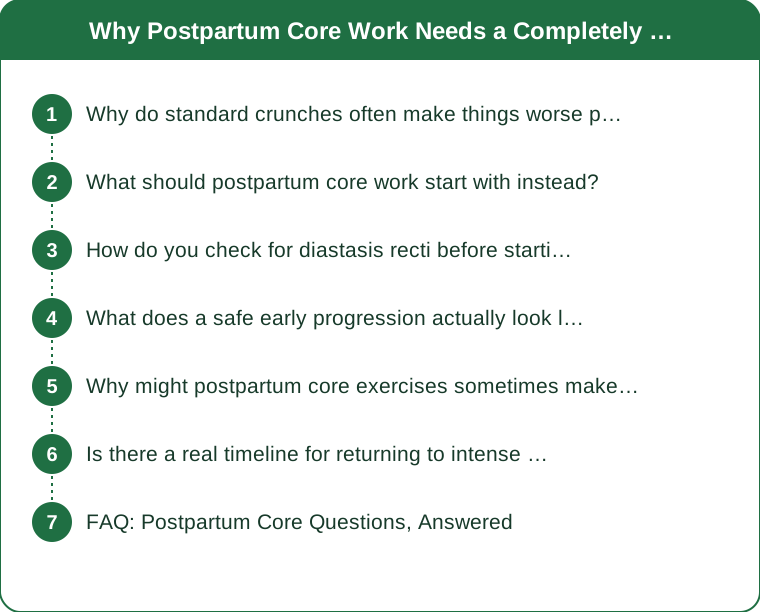
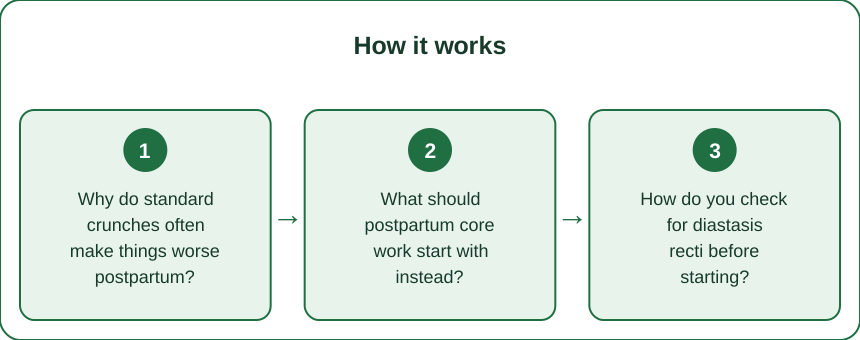
Why do standard crunches often make things worse postpartum?
Pregnancy stretches and thins the connective tissue running down the center of your abdomen (the linea alba), sometimes causing a separation called diastasis recti. Crunches load this weakened tissue directly, which can worsen the separation or create ongoing doming/bulging along the midline instead of healing it.
What should postpartum core work start with instead?
Breathing and gentle bracing first. Diaphragmatic breathing that coordinates with your pelvic floor and deep core muscles (transverse abdominis) rebuilds the foundation those muscles need before any loaded movement — think of it as re-establishing the connection, not skipping straight to strength.
How do you check for diastasis recti before starting?
Lie on your back, knees bent, and gently press two fingers just above your belly button while lifting your head slightly. A gap wider than 2 finger-widths, or any doming/coning shape, suggests diastasis is present and worth checking with a pelvic floor physical therapist before progressing to more advanced core work.

What does a safe early progression actually look like?
Week 1-2 (once cleared for movement): diaphragmatic breathing, gentle pelvic tilts. Week 3-6: heel slides, modified bridges, standing core engagement during daily tasks. Week 6+: progress to planks, bird-dogs, and light loaded carries only once doming and separation have improved with a professional’s guidance.
This timeline varies significantly by birth type and individual recovery — a pelvic floor PT can personalize it far better than a generic schedule.
Why might postpartum core exercises sometimes make things worse?
Progressing too fast, holding your breath during effort (instead of exhaling on exertion), or resuming high-impact movement (running, jumping) before the deep core and pelvic floor have rebuilt capacity are the most common ways well-intentioned exercise backfires in the early months.
Is there a real timeline for returning to intense exercise?
Most guidelines suggest a gradual return starting around 6-8 weeks postpartum (after medical clearance), with high-impact activities like running often not recommended until 12+ weeks, and only once pelvic floor and core function have been assessed as ready. This is general information, not medical advice — a postpartum-specific clearance from your provider or a pelvic floor PT is the right next step before resuming intense training.
FAQ: Postpartum Core Questions, Answered
When can I start postpartum core exercises?
Gentle breathing work can often start within days of birth (with clearance), but loaded core exercises usually wait until at least 6 weeks and a provider check.
Does diastasis recti always heal on its own?
Many cases improve substantially with proper progressive exercise over months, but a meaningful minority need targeted pelvic floor PT guidance to fully close the gap.
Is walking okay during early postpartum core recovery?
Yes, walking at a comfortable pace is generally encouraged early on and doesn’t carry the same core-loading risk as crunches or high-impact movement.
TL;DR:
- Crunches load weakened connective tissue and can worsen diastasis recti
- Start with diaphragmatic breathing and gentle bracing, not loaded core moves
- Check for doming or a wide gap before progressing to planks or bridges
- Most guidelines suggest waiting 6-8+ weeks with provider clearance before intense core work
This is general information, not medical advice — a pelvic floor PT assessment is the safest way to personalize your specific timeline.
See It in Motion
Seen here: Maternity Capris with Side Pockets — shop it on bubblelime.com
Keep Reading
This article is for general informational purposes only and is not medical advice. It is not a substitute for professional diagnosis or treatment. Always consult a qualified healthcare provider about your individual situation, especially before making significant changes to your diet or exercise routine.