Why Pregnancy Fatigue Hits Hardest in the First and Third Trimester, Not the Second
Quick Answer: First-trimester fatigue is driven largely by a sharp rise in progesterone, which has a sedating effect before the body adjusts, while third-trimester fatigue comes from physical load, disrupted sleep from a growing belly, and increased metabolic demand — the second trimester sits in a genuine physiological lull between these two distinct fatigue sources, which is why energy often does noticeably rebound in the middle before dropping again.
You’ve heard the second-trimester energy boost is real, and then felt blindsided when third-trimester fatigue hit just as hard as the first. Both fatigue periods are real, and they have different causes.

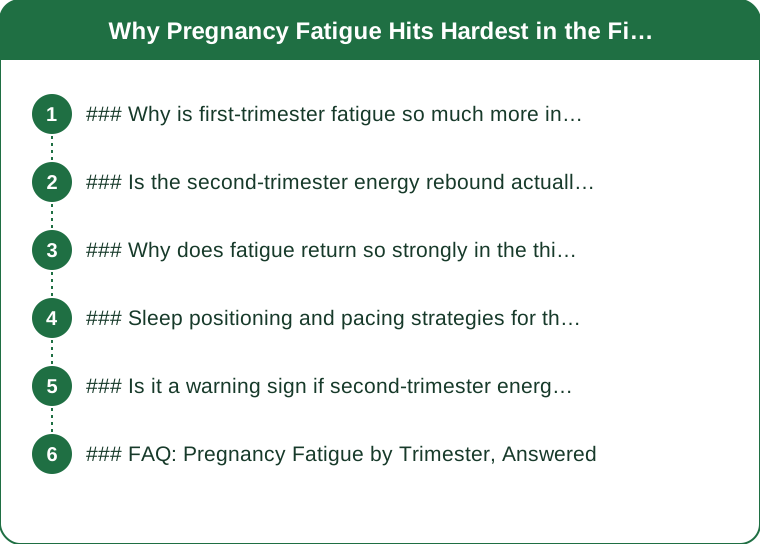
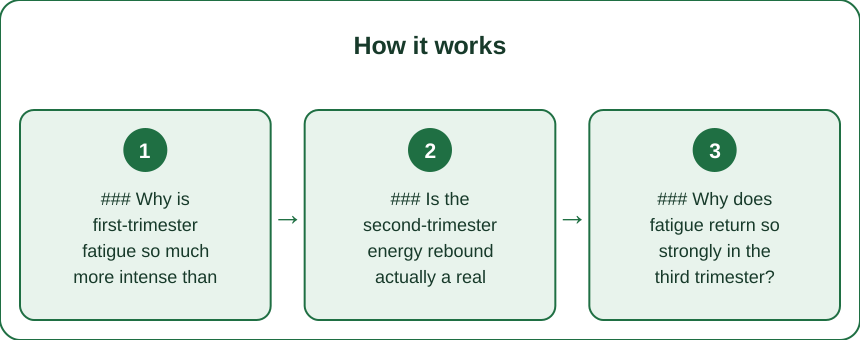
### Why is first-trimester fatigue so much more intense than expected?
Progesterone rises sharply and quickly in early pregnancy, and progesterone has a well-documented sedating effect on the body, on top of the significant metabolic demand of early fetal development and placental formation happening during this window. This combination produces a fatigue level that often surprises people who expected pregnancy tiredness to build up gradually rather than hit hard almost immediately.
This fatigue typically eases as the body adjusts to elevated progesterone levels and the placenta becomes more established, which is part of why the shift into the second trimester often feels like a genuine relief rather than just wishful thinking.
### Is the second-trimester energy rebound actually a real physiological shift?
Yes — by the second trimester, the body has typically adapted to higher progesterone levels, and the placenta has taken over more hormone production duties, reducing some of the earlier metabolic strain. The physical load of the growing belly also hasn’t yet reached the level it will in the third trimester, creating a genuine window where hormonal adjustment is mostly complete and physical burden hasn’t yet peaked.
This is a real, well-documented pattern, not just a comparison illusion against how hard the first trimester felt — though the degree of energy rebound does vary meaningfully between individuals.
### Why does fatigue return so strongly in the third trimester?
Third-trimester fatigue has almost entirely different drivers than first-trimester fatigue — physical strain from carrying significantly more weight, disrupted sleep from difficulty finding a comfortable position and more frequent nighttime bathroom trips, and increased metabolic and cardiovascular demand as the body prepares for labor. This is mechanical and logistical fatigue layered on top of ongoing physiological demand, rather than the hormonal sedation driving first-trimester tiredness.
This distinction matters practically, since the fixes differ — first-trimester fatigue often just needs patience and rest, while third-trimester fatigue benefits more from sleep positioning strategies, pacing physical activity, and addressing specific discomforts directly.

### Sleep positioning and pacing strategies for third-trimester fatigue
Side-lying with a pregnancy pillow supporting the belly and top leg is the most commonly recommended position for improving sleep quality in the third trimester, since it reduces pressure on major blood vessels compared to lying flat on the back. Beyond sleep position, pacing daily activity — building in rest periods rather than pushing through a full day at pre-pregnancy pace — helps manage the cumulative physical load driving this stage’s fatigue.
Gentle, appropriate movement (like short walks or prenatal-safe stretching) paradoxically tends to help more with this fatigue than complete rest does, since mild movement supports circulation without adding significant physical strain.
### Is it a warning sign if second-trimester energy doesn’t rebound at all?
Not automatically, but it’s worth mentioning at a prenatal appointment — while the second-trimester energy lull is common, it isn’t universal, and persistent, unusually severe fatigue at any point in pregnancy can occasionally reflect anemia, thyroid changes, or other conditions worth ruling out with routine bloodwork. Most of the time, an absent or muted second-trimester rebound is simply normal individual variation rather than a medical concern.
This is worth checking rather than assuming, particularly since anemia specifically is common enough in pregnancy that it’s routinely screened for anyway during standard prenatal care.
### FAQ: Pregnancy Fatigue by Trimester, Answered
Is it normal to feel just as tired in the third trimester as the first?
Yes — many people report comparable fatigue levels in both trimesters, just from different underlying causes, which is a normal and common pattern.
Can exercise help with first-trimester fatigue, or does it make it worse?
Gentle, appropriate exercise is generally well tolerated and may modestly help energy levels, though rest remains important and pushing through exhaustion isn’t recommended.
When should pregnancy fatigue be discussed with a doctor rather than assumed normal?
Fatigue that’s severe enough to interfere significantly with daily function, or accompanied by other symptoms like dizziness or shortness of breath, is worth raising at a prenatal visit rather than assuming it’s routine. This is general information, not medical advice.
TL;DR:
- First-trimester fatigue is driven mainly by a sharp progesterone rise with a sedating effect
- The second-trimester energy rebound is a real physiological shift, not just relative comparison
- Third-trimester fatigue comes from physical load, disrupted sleep, and metabolic demand — different causes entirely
- Persistent, unusually severe fatigue at any stage is worth mentioning at a prenatal visit rather than assuming it’s routine
The first and third trimesters aren’t tired for the same reason, and understanding which kind of fatigue is happening makes it much easier to pick the right fix instead of just pushing through and hoping it passes.
See It in Motion
Seen here: Maternity Capris with Side Pockets — shop it on bubblelime.com
Keep Reading
This article is for general informational purposes only and is not medical advice. It is not a substitute for professional diagnosis or treatment. Always consult a qualified healthcare provider about your individual situation, especially before making significant changes to your diet or exercise routine.